
News
Impact of Microfinance Banks in Local Communities
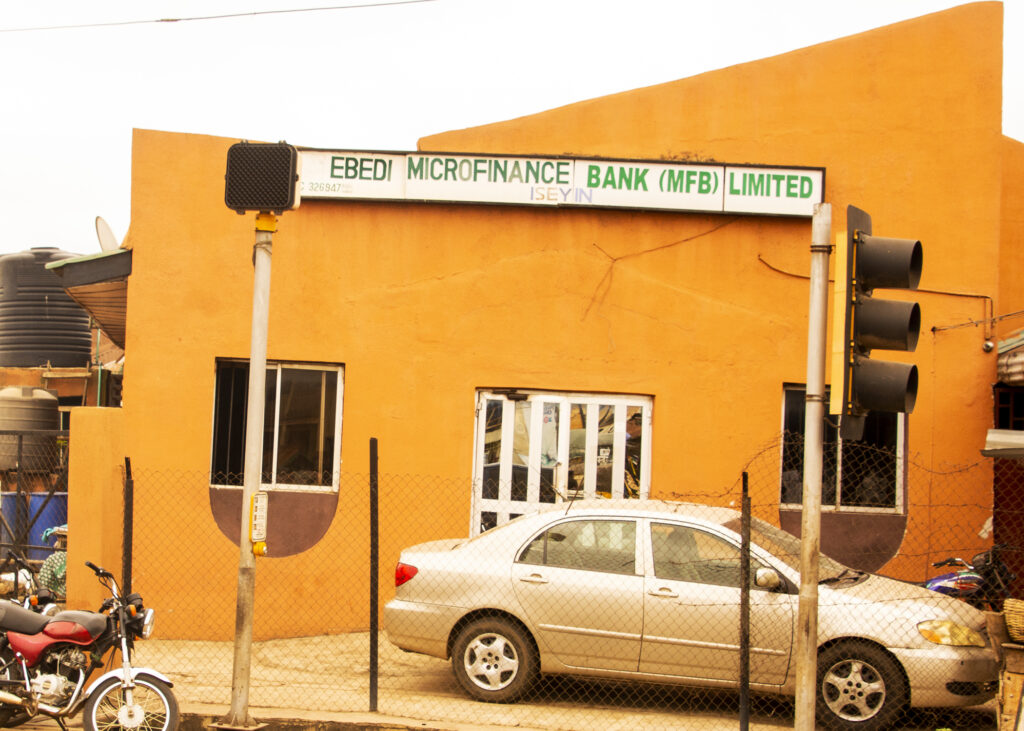
For generations, access to formal financial services has been a significant hurdle for many individuals and small businesses in local communities across Nigeria, Traditional banks often require collateral, extensive documentation, and maintain branch networks primarily in urban centers, leaving a substantial portion of the population underserved. This is where the crucial role of microfinance banks (MFBs) comes into play, acting as catalysts for economic empowerment and social upliftment within these communities.
Ebedi Microfinance Bank, with a strong commitment to fostering financial inclusion, understands the unique needs and potential of local economies. By providing tailored financial products and services, MFBs like ours are making a tangible difference in the lives of individuals and the overall prosperity of these areas. Let’s delve into the specific ways microfinance banks are impacting local communities:
1. Enhanced Access to Capital for Small Businesses:
One of the most significant impacts of MFBs is the provision of accessible credit to small and medium-sized enterprises (SMEs) and micro-businesses.
- Startup Capital: Enabling aspiring entrepreneurs to launch their businesses and create livelihoods.
- Working Capital: Providing funds for day-to-day operations, purchasing inventory, and managing cash flow.
- Business Expansion: Allowing existing businesses to scale their operations, invest in new equipment, and reach wider markets.
This injection of capital fuels economic activity, generates employment opportunities, and contributes to the overall growth of the local economy.
2. Promotion of Savings Culture:
Microfinance banks also play a vital role in cultivating a savings culture within local communities. By offering accessible and convenient savings accounts, they encourage individuals and businesses to:
- Safeguard their earnings: Providing a secure place to store money.
- Plan for the future: Enabling individuals to save for education, healthcare, and other important needs.
- Build financial resilience: Creating a buffer against unexpected financial shocks.
This increased savings mobilization strengthens the financial stability of individuals and provides MFBs with the resources to further extend credit within the community.
3. Empowering Women:
In many local communities, women often face greater barriers to accessing financial services. Microfinance banks have been instrumental in empowering women by providing them with:
- Access to credit: Enabling them to start and grow their own businesses, contributing to their economic independence.
- Financial literacy training: Equipping them with the knowledge and skills to manage their finances effectively.
- Increased decision-making power: Enhancing their role within their households and communities.
By empowering women economically, MFBs contribute to improved household well-being, better educational outcomes for children, and overall community development.
4. Fostering Financial Inclusion:
At its core, the impact of microfinance banks lies in their commitment to financial inclusion. By reaching out to individuals and businesses that are excluded from the formal banking system, MFBs:
- Bring more people into the formal financial sector: Providing them with access to a range of financial services.
- Reduce reliance on informal and often exploitative lenders: Offering a safe and regulated alternative.
- Improve financial literacy and awareness: Educating communities about responsible financial practices.
This increased financial inclusion contributes to greater economic equity and reduces vulnerability within local communities.